2 × 30 minstrength, at home or in a hotel room
1 × 30 minmobility, for a body that sits all day
Sunday, 30 minlive cohort call, recorded if you miss it
8–10 womenfrom different companies, never your own team
The premise
Muscle and bone are an account. Before 50 you make deposits. After, you defend the balance.
You have built companies, teams and careers with more discipline than anyone gives you credit for.
And almost none of us ever put our own physical capacity on the roadmap. Not because we deprioritised it — because nobody framed it as something you build.
What you hold going into your sixties shapes a great deal about the decades after: whether you carry your own bag, get off the floor unaided, stay in your own home on your own terms. And it pays out long before then — in the hour of the day when your capacity usually runs out.
This is not a weight loss programme. Nothing here is about how you look.
Nobody in this room has a discipline problem. What we have is a roadmap problem.
What the deposits buy you
Bone
A frame that holds
Bone responds to load. Lifting something meaningfully heavy, regularly, is one of the few signals that tells it to stay strong.
Capacity
A clearer four o’clock
Short, serious sessions change how the long days feel — energy, focus and mood in the stretch where you usually start running on fumes.
Posture
The desk, trained back out
Forward shoulders, tight hips, a neck that lives in front of a screen. The programme works on the shape a sitting career leaves behind.
The Vested Executive Program
Twelve weeks. Three phases. One habit that runs without you.
Every phase builds on the one before. You start by learning to move well under load, then build the capacity to keep going, then add weight steadily until strength is simply part of your week.
WEEKS 1–4
Reset
Stability and control. Learn the handful of movements everything else is built on, with weights you could lift for longer than you’d like.
WEEKS 5–8
Build
Strength endurance. Paired exercises, less rest, more work done in the same thirty minutes.
WEEKS 9–12
Own it
Progressive load. Heavier, slower, deliberate — and a plan you can keep running long after week twelve.
- Starts
- January 2027 — the founding cohort.
- Weekly
- Two thirty-minute strength sessions, one mobility session, a thirty-minute live call on Sunday evening (European time), and a one-tap check-in in the cohort chat.
- Equipment
- A pair of adjustable dumbbells, a resistance band and a mat — covered by an equipment allowance. No bench, wall or sofa needed. Home or hotel room.
- The room
- Eight to ten women, deliberately drawn from different companies. The cohort is part of what you get.
- Built for
- People who travel, present and run on short sleep — with protocols for the weeks that fall apart.
- Investment
- Founding-cohort pricing goes to the waitlist first.
How it runs, start to finish
-
A one-to-one first
A private call before the cohort starts: your history, your schedule, anything that hurts. The plan is adjusted to you here, not in week six.
-
Kickoff with the room
Meet the women you’ll train alongside. Set up your kit, learn the first movements, agree how the group works.
-
Twelve weeks of rhythm
Each Sunday: one short lesson on training, food or recovery, and the plan for the week ahead. Then you go and do it.
-
Graduation
A closing session: what changed, what you keep doing, and the option to continue with the next phase.
This is for you if
- You lead people, a function or a company, and your calendar proves it.
- You’ve never had a training plan — or had one that didn’t survive a busy quarter.
- You want to be strong at 70, and you’d like to start the work now.
- You’d value a room of peers who aren’t on your org chart.
It isn’t for you if
- You want to lose weight fast or change how you look by a date.
- You want a gym programme or a trainer standing next to you.
- You need rehabilitation for an injury — that’s a physiotherapist’s job first.
Who runs it
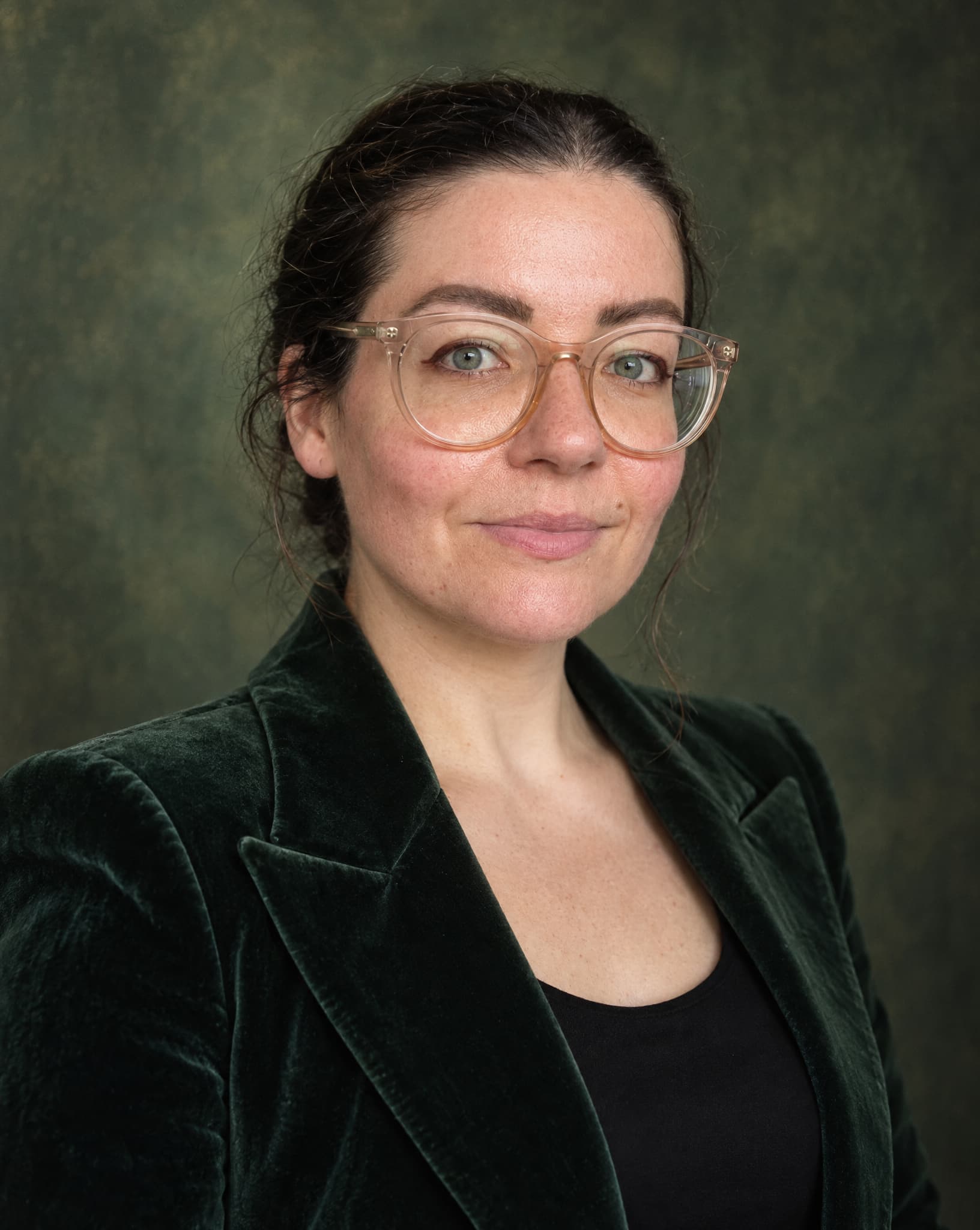
I’m Sandra. I’m a certified strength coach, and I have spent eighteen years in tech — most of them at a desk, on calls, in airports, in the same week you’re having.
I built Vested because the training advice aimed at women like us assumes a life none of us actually live. This is the programme I wanted: short, serious, and designed around the calendar rather than against it.
- NASM Certified Personal Trainer
- EQF level 4 fitness qualification
- Trained in behavioural design
Questions
I’ve never lifted weights. Is that a problem?
No — most of the room won’t have. The first four weeks exist to teach the movements properly before anything gets heavy.
How much time does it really take?
About two hours a week: three 30-minute sessions and the Sunday call. Nothing to commute to.
I travel constantly.
So does most of the room. There’s a travel-week protocol for hotel rooms, and a minimum week for the ones that fall apart.
What if I miss the Sunday call?
It’s recorded, and the weekly check-in in the cohort chat keeps you in the loop. Calls are timed for European evenings.
Can my company pay for it?
Leadership-development and wellbeing budgets often can. Mention it when you join the waitlist and I’ll send what your finance team needs.
Is this about losing weight?
No. Nothing here is measured on a scale. It’s about what your body can do, now and in thirty years.
First spots go to the waitlist.
The founding cohort opens in January 2027 with eight to ten seats. They fill from this list before they go anywhere else.